Cloud Care Networks
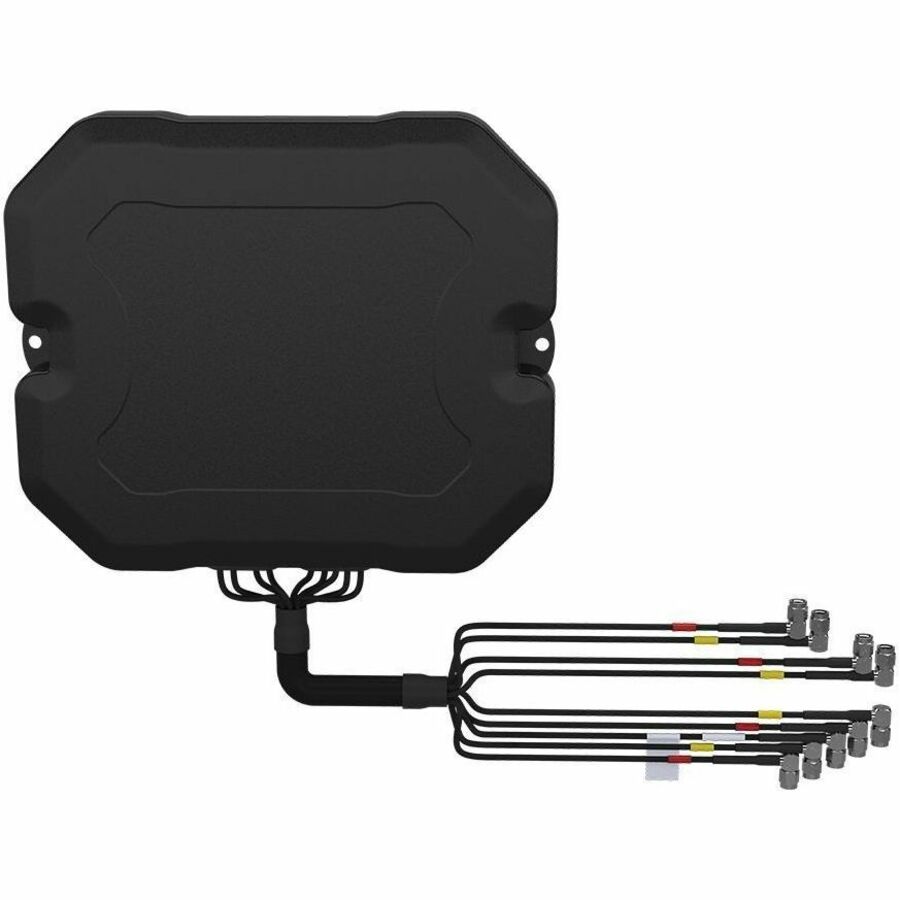
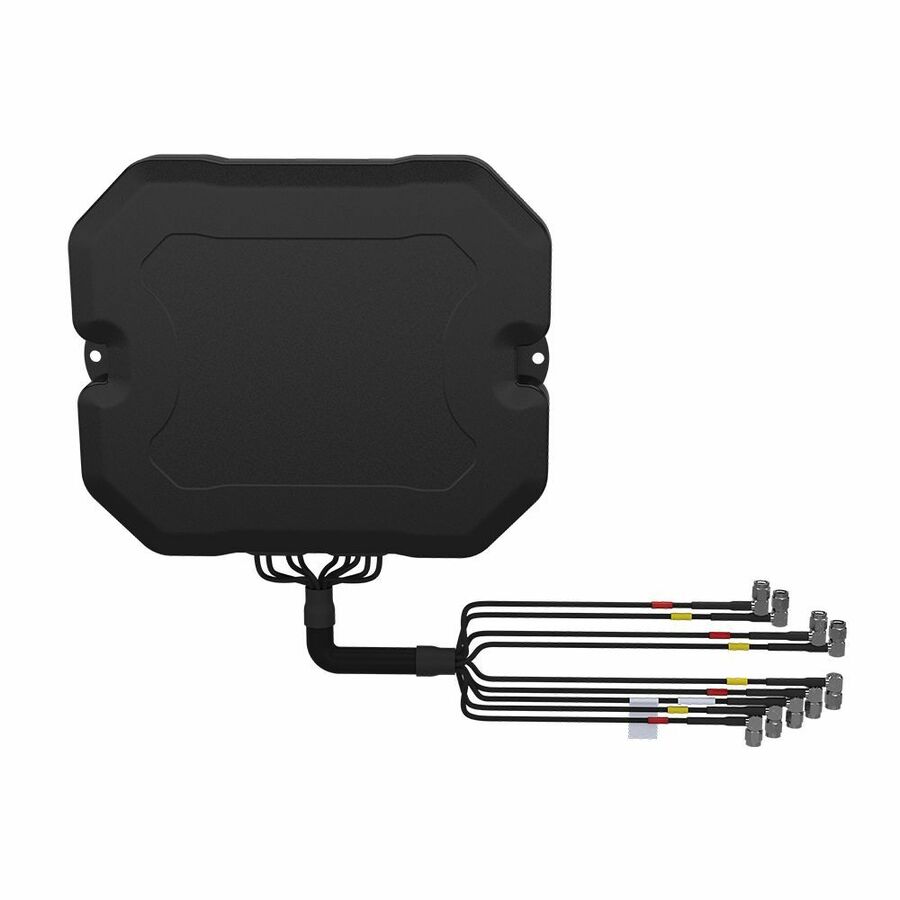
4X4 MIMO ANTENNA FOR 4G/5G NETWORK CASES
Panorama

4X4 MIMO ANTENNA FOR 4G/5G NETWORK CASES

MPN: CASEANTG4-6-60-D5G
$189.84$260.00Save $70.16

In Stock

1
Free shippingSecure checkout

Key Features

  • Improve cellular connectivity with 4x4 MIMO support for 4G/5G network cases
  • Support multiple antenna paths using a purpose-built MIMO antenna design
  • Fit compact enclosures with a form factor intended for network case installations
  • Strengthen deployment consistency through a cellular antenna built for controlled placement
  • Reduce enclosure clutter with hardware sized for case-based integration
  • Align with modern cellular radios using a 4G/5G antenna architecture
  • Simplify system design with an antenna made for multi-path wireless layouts

Technical Specifications

Design

Form FactorAntenna

Wireless

Antenna Type4x4 MIMO antenna
Frequency Band4G/5G
Max Data Rate MbpsNot specified
Wireless Lan StandardNot specified

Connectivity

Wifi StandardNot specified
Ethernet TechnologyNot specified

Country Of Origin

NoteCountry of origin provided in source attributes.
CountryTaiwan
Iso CodeTW

Physical Dimensions

Form FactorAntenna

About This Device

Support higher-quality cellular connectivity in network cases with a 4x4 MIMO antenna designed for 4G and 5G deployments. The CASEANTG4-6-60-D from Panorama is built for installations where multiple antenna paths are required and enclosure space is limited. For integrators, the advantage is architectural: MIMO antenna design helps align the radio front end with the demands of modern cellular networks, while the compact deployment profile keeps the installation practical inside cases and other constrained environments. That makes it a strong fit for systems that need reliable wireless performance without oversized hardware. This antenna is a better choice than generic single-path alternatives when the deployment depends on signal quality, placement discipline, and a cleaner enclosure layout. In fielded systems, those details translate into fewer compromises during installation and a more controlled path to stable cellular connectivity.