

1 / 2
PanoramaAntennas & Signal
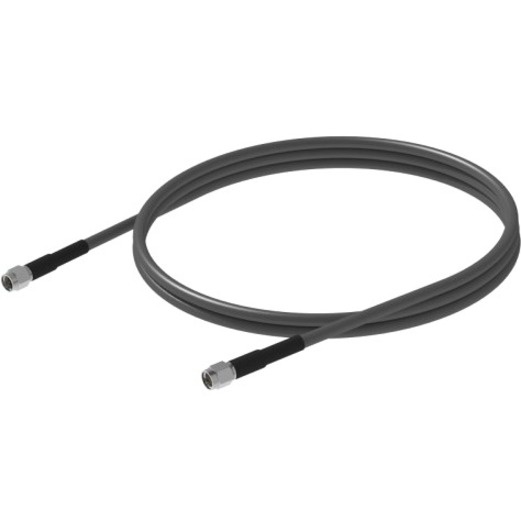
Panorama C32SP-10SMARV Double-Shielded Coaxial Cable Assembly
MPN C32SP-10SMARV
- Over 5 m
$38.68$57.00Save $18.32
Backordered · ships as soon as it arrives
- Free 2-3 day shipping to the US
- 30-day returns on unopened devices
- Secure checkout · pay by card
Datasheets & documents
Overview
Connect cellular and WiFi antenna equipment using a coaxial assembly built on 5 mm double-shielded, solid-core cable. Its CS32 cable construction combines copper braid and aluminium foil shielding with a flame-retardant, zero-halogen jacket. For fixed-site and mobile antenna installations, the cable supports applications up to 6 GHz.
- 50 Ω nominal cable impedance for RF antenna connections
- Double shielding combines aluminium foil with copper braid
- Solid copper centre conductor measures 0.95 mm
- Typical attenuation of 11 dB per 10 m at 6 GHz
- 5 mm outside diameter supports constrained cable routes
- 50 mm minimum bend radius for repeated bending
- UV-stabilised, zero-halogen jacket with flame-retardant construction
- Connect cellular and WiFi antenna equipment using cable suitable for applications up to 6 GHz.
Connect cellular and WiFi antenna equipment with Panorama C32SP-10SMARV, a coaxial cable assembly built on CS32 ultra-low-loss cable. The 5 mm cable uses a solid copper centre conductor, foam polyethylene dielectric and two shielding layers: aluminium foil beneath a tin-plated copper braid. This construction supports antenna applications up to 6 GHz. Nominal cable impedance is 50 Ω, with tolerances of ±2 Ω at 1 GHz and ±4 Ω at 2 GHz. Braid coverage of at least 90% adds a concrete shielding specification for installations where nearby equipment and cable routing affect RF performance.
Use the cable in fixed-site or mobile cellular and WiFi antenna connections where attenuation determines how much signal reaches the radio. Typical cable attenuation per 10 m is 2.5 dB at 400 MHz, 4 dB at 1 GHz, 5.8 dB at 2 GHz and 11 dB at 6 GHz. These cable-only values help assess the RF loss budget; connector losses must be considered separately. The solid centre conductor measures 0.95 mm in diameter, within a 2.6 mm dielectric.
Route the cable with a minimum bend radius of 25 mm for a one-time bend or 50 mm where bending repeats. The grey RAL 7047 jacket uses UV-stabilised Megalon S540 with flame-retardant, zero-halogen construction. The cable operates from -30 °C to +80 °C. Its combination of double shielding, specified attenuation and a 5 mm outside diameter supports antenna runs through constrained equipment spaces while preserving defined routing limits.
Ideal for
- Fixed-site cellular antenna connections where cable attenuation must fit the radio's RF loss budget.
- WiFi antenna connections operating within the cable's frequency range up to 6 GHz.
- Mobile antenna installations requiring UV-stabilised cable jacketing and defined bend-radius limits.
Specifications
Shipping
- Shipping Weight
- 0.88 lb
Performance
- Cable Color
- Grey RAL 7047
- Cable Braid Resistance
- Less than 150 mΩ per 10 m
- Cable Jacket Spark Test
- 3,000 V RMS
- Cable Voltage Withstand
- 1,000 V DC
- Cable Impedance AT 1 GHz
- 50 Ω ± 2 Ω at 1 GHz
- Cable Impedance AT 2 GHz
- 50 Ω ± 4 Ω at 2 GHz
- Cable Application Frequency
- Cable suitable for applications up to 6 GHz
- Cable Shielding Effectiveness
- < -95 dB at 400 MHz, IEC 61196-1
- Typical Cable Attenuation AT 1 GHz
- 4 dB per 10 m at 1 GHz
- Typical Cable Attenuation AT 2 GHz
- 5.8 dB per 10 m at 2 GHz
- Typical Cable Attenuation AT 6 GHz
- 11 dB per 10 m at 6 GHz
- Typical Cable Attenuation AT 400 MHz
- 2.5 dB per 10 m at 400 MHz
Construction
- Shielding
- tin-plated copper braid and aluminium foil
- Braid Coverage
- At least 90%
- Jacket Material
- UV-stabilised flexible Megalon S540, flame-retardant and zero-halogen
- Dielectric Diameter
- 2.6 mm
- Dielectric Material
- Foam polyethylene
- Inner Shield Diameter
- 3.0 mm aluminium foil shield
- Cable Outside Diameter
- 5.0 mm
- Inner Conductor Diameter
- 0.95 mm
- Inner Conductor Material
- Solid copper
- Outer Conductor Diameter
- 3.5 mm
- Minimum One-Time Bend Radius
- 25 mm
- Minimum Repeated Bend Radius
- 50 mm
Environmental
- Cable Operating Temperature
- -30 °C to +80 °C (-22 °F to +176 °F)
Cable Identity
- Cable Type
- Coaxial cable assembly
- Cable Characteristic
- Ultra-low-loss, double-shielded, solid-core
- Cable Construction Family
- CS32 ultra-low-loss coaxial cable
Cable Jacket Compliance
- Flame Retardance
- CS32 cable jacket: ECE R118.03, EN 6722:2006 §12 and EN 45545-2 HL3
- ECE Approval Reference
- CS32 cable jacket approval: E11*118R03/00*1305*00
Questions buyers ask
How do I confirm C32SP-10SMARV is the right part for my deployment?
Match the assembly's connector interfaces and required run length to your antenna and radio connections. Its CS32 cable construction has 50 Ω nominal impedance, a 5 mm outside diameter and application suitability up to 6 GHz. Include cable attenuation in the RF loss budget.
How much signal loss does the cable have at cellular and WiFi frequencies?
Typical CS32 cable attenuation per 10 m is 2.5 dB at 400 MHz, 4 dB at 1 GHz, 5.8 dB at 2 GHz and 11 dB at 6 GHz. These figures describe the cable itself; connector losses contribute separately to the complete antenna path.
What bend radius does this coaxial cable require?
The cable requires a minimum bend radius of 25 mm for a one-time bend and 50 mm for repeated bending. Apply these limits when routing around enclosure corners, through equipment spaces or near antenna mounting points to avoid excessively tight cable turns.
What shielding and jacket construction does the cable use?
The cable combines aluminium foil shielding with a tin-plated copper braid providing at least 90% coverage. Its outer jacket is grey RAL 7047 UV-stabilised Megalon S540 with flame-retardant, zero-halogen construction. The cable operating temperature range is -30 °C to +80 °C.
More Antennas & Signal
Belkin
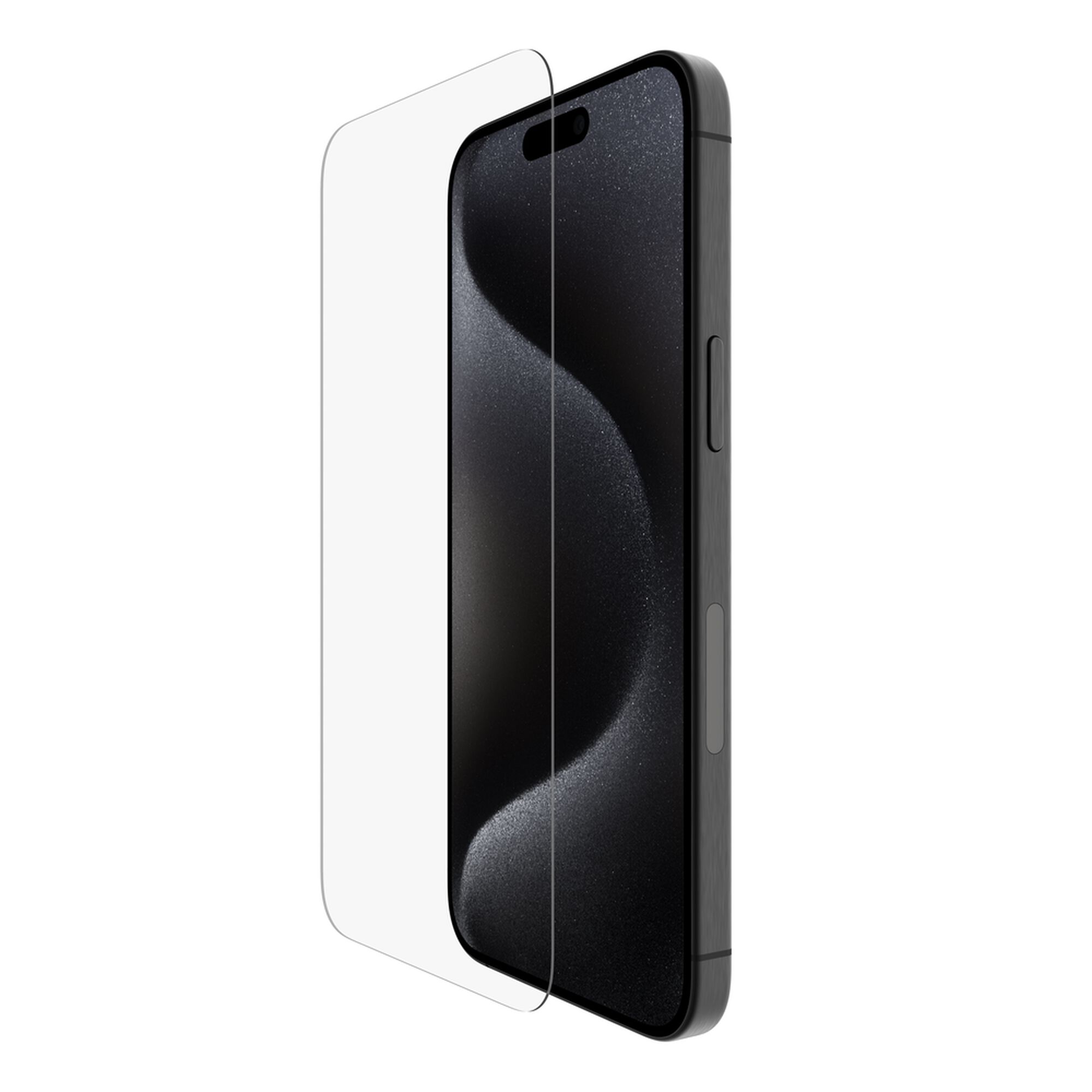
Belkin TemperedGlass Screen Protector for iPhone 15 Pro Max with Application System
$21.15$24.99
In stock
Belkin
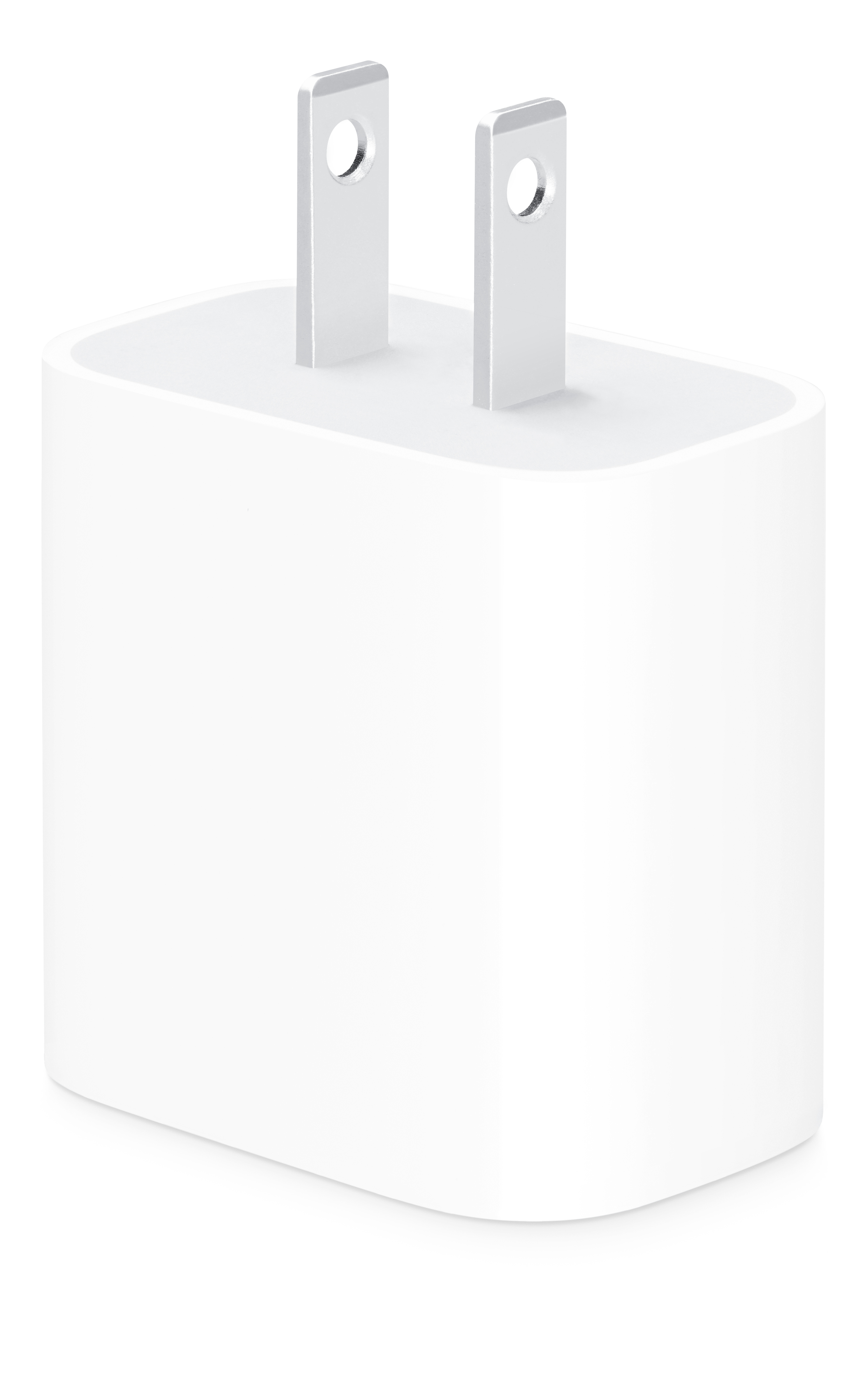
Belkin BoostCharge Compact USB-C Wall Charger 30W with PPS, White (WCA008DQWH)
$10.11$25.99
In stock