Cloud Care Networks
FortinetAntennas & Signal

Fortinet FANT-7IN1-RCT-5M Rugged 7-in-1 5G/LTE, Wi-Fi and GNSS Outdoor Antenna

5GMPN FANT-7IN1-RCT-5M
  • 4x4 MIMO
  • GNSS
  • Wi-Fi
  • 3–5 m

Made for Fortinet

$599.44$695.00Save $95.56

In stockShips from the US

Overview

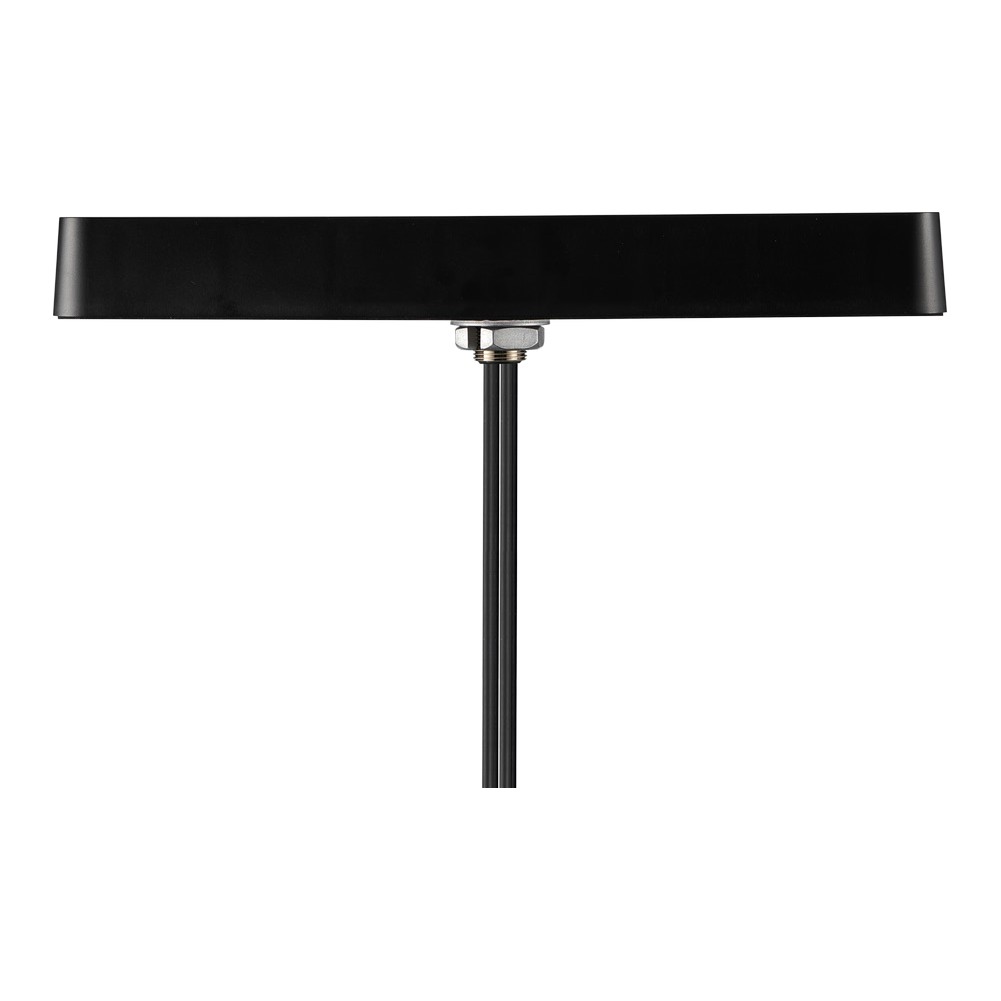
The Fortinet FANT-7IN1-RCT-5M is a rugged 7-in-1 outdoor and vehicle antenna that combines four 5G/LTE MIMO elements covering 600 MHz to 6 GHz, two 2.4/5 GHz Wi-Fi MIMO elements and one active multi-constellation GNSS element in a single IP69K and IK10 rated enclosure. Integrated 5 m low-loss cables terminate in SMA male connectors for cellular and GNSS and RP-SMA male for Wi-Fi. It is built for Fortinet FG, FGR, FEX and FEV models with cellular capability.

  • Four 5G/4G LTE MIMO antenna elements covering 600 MHz to 6 GHz with omni-directional pattern
  • Two Wi-Fi MIMO elements for 2.4 GHz and 5 GHz
  • One active GNSS element for GPS, GLONASS, BeiDou and Galileo with SAW filter and low-noise amplifier
  • Integrated 5 m low-loss cables with SMA male (cellular/GNSS) and RP-SMA male (Wi-Fi) connectors
  • IP69K waterproof and IK10 impact-rated polycarbonate enclosure
  • Operating temperature range of -40°C to 85°C
  • RoHS and REACH compliant
  • One enclosure replaces seven separate antennas, reducing roof and wall penetrations on vehicles and outdoor cabinets

The Fortinet FANT-7IN1-RCT-5M puts every radio a rugged Fortinet cellular appliance needs into one rectangular housing. Four omni-directional 5G/LTE MIMO elements cover 600 MHz to 6 GHz, including 5G NR Band 71, the 1.5 GHz band, mid-band 1710-2200 MHz and 2300-2690 MHz, the 3300-5000 MHz range used by bands 77, 78 and 79, and 5150-5925 MHz. Two Wi-Fi MIMO elements serve 2.4 GHz and 5 GHz, and an active GNSS element tracks GPS, GLONASS, BeiDou and Galileo, plus QZSS, IRNSS and SBAS signals, through a front-end SAW filter and low-noise amplifier. It is intended for FortiGate (FG), FortiGate Rugged (FGR), FortiExtender (FEX) and FEV models with cellular capability.

The enclosure is made for exposed installations. It is rated IP69K against water and dust and IK10 for impact, operates from -40°C to 85°C, and mounts to a surface outdoors or to a vehicle roof via an M22 x 1.5P thread. The unit measures 350 x 70 x 39 mm and weighs 1.78 kg.

Each element has its own integrated 5 m cable. The cellular and Wi-Fi runs use 0.15 m of TGC-302LL followed by 4.85 m of TGC-200, and the GNSS run uses 5 m of RGC-174. Cellular and GNSS leads end in SMA male connectors; Wi-Fi leads end in RP-SMA male. Measured through the 5 m cables, cellular peak gain reaches 7.74 dB in the 3300-5000 MHz range, and Wi-Fi peak gain reaches 6.82 dB at 5 GHz.

The antenna is RoHS and REACH compliant, and its full performance tables are published in the Fortinet Rugged Accessories Data Sheet.

Ideal for

  • Roof-mounted connectivity for vehicles carrying a cellular FortiGate Rugged or FortiExtender
  • Outdoor cabinets, kiosks and utility sites that need 4x4 cellular MIMO, Wi-Fi and GNSS from one mount
  • Fleet and public-safety vehicles that need GNSS location alongside WAN connectivity
  • Industrial and washdown environments where IP69K and IK10 protection is required
  • Remote branch or pop-up sites where the appliance sits indoors and the antenna mounts outside

Specifications

General

MPN
FANT-7IN1-RCT-5M
Brand
Fortinet
GNSS Type
Active GNSS with SAW Filter and LNA
Wi-Fi Bands
2.4 GHz / 5.8 GHz
Product Type
Rugged 7-in-1 Outdoor Antenna (5G/LTE, Wi-Fi, GNSS)
Cellular Frequency Range
600 MHz - 6 GHz

Mounting

Outdoor
Surface Mount
Vehicle
Roof Mount

Compliance

Rohs
RoHS Compliant
Reach
REACH Compliant

Mechanical

Casing
Polycarbonate (PC)
Impact
IK10
Weight
1.78 kg
Connector
5G/4G: SMA (M); GNSS: SMA (M); Wi-Fi: RP-SMA (M)
Cable GNSS
5 m RGC-174
Cable Wi-Fi
0.15 m TGC-302LL + 4.85 m TGC-200
Dimensions
350 x 70 x 39 mm
Waterproof
IP69K
Cable 5G 4G
0.15 m TGC-302LL + 4.85 m TGC-200
Thread Diameter
M22 x 1.5P

Compatibility

Compatible Models
Fortinet FG, FGR, FEX and FEV Models with Cellular Capability

Environmental

Humidity
Non-condensing, 65°C 95% RH
Temperature Range
-40°C to 85°C
Ingress Protection
IP69K

GNSS Covered Bands

GPS
L5 (1176.45 MHz), L1 (1575.42 MHz)
Sbas
L5 (1176.45 MHz), L1 (1575.42 MHz), G1 (1602 MHz)
Beidou
B2A (1176.45 MHz), B1I (1561.10 MHz), B1C (1575.42 MHz)
Galileo
E5a (1176.45 MHz), E1 (1575.42 MHz)
Glonass
G1 (1602 MHz)
Qzss Regional
L5 (1176.45 MHz), L1 (1575.42 MHz)
Irnss Regional
L5 (1176.45 MHz)

Passive GNSS Electrical

Impedance
50 Ω
Polarization
RHCP
Frequency GPS L1
1565-1586 MHz
Frequency GPS L5
1164-1189 MHz
Peak Gain GPS L1
GPS L1 Peak Gain: 3.9 dBi
Peak Gain GPS L5
GPS L5 Peak Gain: 2.5 dBi
Efficiency GPS L1
GPS L1 Efficiency: 66.5%
Efficiency GPS L5
GPS L5 Efficiency: 50.7%
Average Gain GPS L1
GPS L1 Avg Gain: -1.77 dB
Average Gain GPS L5
GPS L5 Avg Gain: -2.95 dB
Frequency Beidou B1
1559-1592 MHz
Peak Gain Beidou B1
BeiDou B1 Peak Gain: 3.9 dBi
Efficiency Beidou B1
BeiDou B1 Efficiency: 63.0%
Frequency Glonass G1
1596-1610 MHz
Peak Gain Glonass G1
GLONASS G1 Peak Gain: 3.4 dBi
Efficiency Glonass G1
GLONASS G1 Efficiency: 54.7%
Average Gain Beidou B1
BeiDou B1 Avg Gain: -2.00 dB
Average Gain Glonass G1
GLONASS G1 Avg Gain: -2.62 dB
Axial Ratio Zenith GPS L1
GPS L1 Axial Ratio at Zenith: 11.7
Axial Ratio Zenith GPS L5
GPS L5 Axial Ratio at Zenith: 5.0
Axial Ratio Zenith Beidou B1
BeiDou B1 Axial Ratio at Zenith: 4.8
Axial Ratio Zenith Glonass G1
GLONASS G1 Axial Ratio at Zenith: 13.1

Wi-Fi Antenna Performance

Mimo1 Peak Gain 2400 2500 MHz
6.71 dB
Mimo1 Peak Gain 5150 5850 MHz
6.82 dB
Mimo2 Peak Gain 2400 2500 MHz
6.09 dB
Mimo2 Peak Gain 5150 5850 MHz
5.42 dB
Mimo1 Efficiency 2400 2500 MHz
53.7%
Mimo1 Efficiency 5150 5850 MHz
44.3%
Mimo2 Efficiency 2400 2500 MHz
50.0%
Mimo2 Efficiency 5150 5850 MHz
46.8%
Mimo1 Average Gain 2400 2500 MHz
MIMO 1 Avg Gain, 2400-2500 MHz: -2.70 dB
Mimo1 Average Gain 5150 5850 MHz
MIMO 1 Avg Gain, 5150-5850 MHz: -3.54 dB
Mimo2 Average Gain 2400 2500 MHz
MIMO 2 Avg Gain, 2400-2500 MHz: -3.01 dB
Mimo2 Average Gain 5150 5850 MHz
MIMO 2 Avg Gain, 5150-5850 MHz: -3.30 dB

Lna And Filter Electrical

Input Voltage
+1.8 to 5.5 V
Output Impedance
50 ohm
Lna Gain Low Band
26.3 dB
Reference Voltage
3.3 V Typical
Lna Gain High Band
32.3 dB
Current Consumption
16.8 mA
Outer Band Attenuation 500 1000 MHz
60 dB
Outer Band Attenuation 2000 2690 MHz
60 dB
Outer Band Attenuation 3300 6000 MHz
60 dB

Cellular 5G LTE Performance

Impedance
50 Ω
Polarization
Linear
Radiation Pattern
Omni-directional
Mimo1 Peak Gain 617 698 MHz
0.87 dB
Mimo1 Peak Gain 698 824 MHz
2.94 dB
Mimo1 Peak Gain 824 960 MHz
2.64 dB
Mimo2 Peak Gain 617 698 MHz
0.91 dB
Mimo2 Peak Gain 698 824 MHz
2.11 dB
Mimo2 Peak Gain 824 960 MHz
2.18 dB
Mimo3 Peak Gain 617 698 MHz
1.03 dB
Mimo3 Peak Gain 698 824 MHz
1.97 dB
Mimo3 Peak Gain 824 960 MHz
2.17 dB
Mimo4 Peak Gain 617 698 MHz
2.25 dB
Mimo4 Peak Gain 698 824 MHz
2.25 dB
Mimo4 Peak Gain 824 960 MHz
2.25 dB
Mimo1 Efficiency 617 698 MHz
MIMO 1, 5G NR Band 71 (617-698 MHz): 49.8%
Mimo1 Efficiency 698 824 MHz
MIMO 1, 5G/4G 700 (698-824 MHz): 49.7%
Mimo1 Efficiency 824 960 MHz
MIMO 1, GSM800/900 (824-960 MHz): 50.8%
Mimo2 Efficiency 617 698 MHz
MIMO 2, 5G NR Band 71 (617-698 MHz): 36.6%
Mimo2 Efficiency 698 824 MHz
MIMO 2, 5G/4G 700 (698-824 MHz): 39.5%
Mimo2 Efficiency 824 960 MHz
MIMO 2, GSM800/900 (824-960 MHz): 43.7%
Mimo3 Efficiency 617 698 MHz
MIMO 3, 5G NR Band 71 (617-698 MHz): 36.4%
Mimo3 Efficiency 698 824 MHz
MIMO 3, 5G/4G 700 (698-824 MHz): 35.4%
Mimo3 Efficiency 824 960 MHz
MIMO 3, GSM800/900 (824-960 MHz): 37.5%
Mimo4 Efficiency 617 698 MHz
MIMO 4, 5G NR Band 71 (617-698 MHz): 44.5%
Mimo4 Efficiency 698 824 MHz
MIMO 4, 5G/4G 700 (698-824 MHz): 50.3%
Mimo4 Efficiency 824 960 MHz
MIMO 4, GSM800/900 (824-960 MHz): 48.0%
Mimo1 Peak Gain 1427 1518 MHz
1.01 dB
Mimo1 Peak Gain 1710 2200 MHz
5.15 dB
Mimo1 Peak Gain 2300 2690 MHz
6.16 dB
Mimo1 Peak Gain 3300 5000 MHz
6.23 dB
Mimo1 Peak Gain 5150 5925 MHz
5.76 dB
Mimo2 Peak Gain 1427 1518 MHz
1.21 dB
Mimo2 Peak Gain 1710 2200 MHz
5.44 dB
Mimo2 Peak Gain 2300 2690 MHz
6.97 dB
Mimo2 Peak Gain 3300 5000 MHz
6.78 dB
Mimo2 Peak Gain 5150 5925 MHz
4.93 dB
Mimo3 Peak Gain 1427 1518 MHz
1.11 dB
Mimo3 Peak Gain 1710 2200 MHz
5.63 dB
Mimo3 Peak Gain 2300 2690 MHz
6.72 dB
Mimo3 Peak Gain 3300 5000 MHz
7.74 dB
Mimo3 Peak Gain 5150 5925 MHz
6.48 dB
Mimo4 Peak Gain 1427 1518 MHz
0.99 dB
Mimo4 Peak Gain 1710 2200 MHz
4.65 dB
Mimo4 Peak Gain 2300 2690 MHz
6.15 dB
Mimo4 Peak Gain 3300 5000 MHz
5.97 dB
Mimo4 Peak Gain 5150 5925 MHz
4.44 dB
Mimo1 Average Gain 617 698 MHz
MIMO 1 Avg Gain, 617-698 MHz: -3.03 dB
Mimo1 Average Gain 698 824 MHz
MIMO 1 Avg Gain, 698-824 MHz: -3.04 dB
Mimo1 Average Gain 824 960 MHz
MIMO 1 Avg Gain, 824-960 MHz: -2.94 dB
Mimo1 Efficiency 1427 1518 MHz
MIMO 1, 5G NR Band 1500 (1427-1518 MHz): 27.9%
Mimo1 Efficiency 1710 2200 MHz
MIMO 1, 5G/4G Bands 1, 2, 3, 4, 9, 23, 25, 35, 66 (1710-2200 MHz): 47.7%
Mimo1 Efficiency 2300 2690 MHz
MIMO 1, 5G/4G 2600 (2300-2690 MHz): 45.2%
Mimo1 Efficiency 3300 5000 MHz
MIMO 1, 5G NR/4G Bands 22, 42, 48, 77, 78, 79 (3300-5000 MHz): 58.9%
Mimo1 Efficiency 5150 5925 MHz
MIMO 1, 5G/4G 5200 (5150-5925 MHz): 48.9%
Mimo2 Average Gain 617 698 MHz
MIMO 2 Avg Gain, 617-698 MHz: -4.37 dB
Mimo2 Average Gain 698 824 MHz
MIMO 2 Avg Gain, 698-824 MHz: -4.03 dB
Mimo2 Average Gain 824 960 MHz
MIMO 2 Avg Gain, 824-960 MHz: -3.60 dB
Mimo2 Efficiency 1427 1518 MHz
MIMO 2, 5G NR Band 1500 (1427-1518 MHz): 27.8%
Mimo2 Efficiency 1710 2200 MHz
MIMO 2, 5G/4G Bands 1, 2, 3, 4, 9, 23, 25, 35, 66 (1710-2200 MHz): 53.7%
Mimo2 Efficiency 2300 2690 MHz
MIMO 2, 5G/4G 2600 (2300-2690 MHz): 56.8%
Mimo2 Efficiency 3300 5000 MHz
MIMO 2, 5G NR/4G Bands 22, 42, 48, 77, 78, 79 (3300-5000 MHz): 58.9%
Mimo2 Efficiency 5150 5925 MHz
MIMO 2, 5G/4G 5200 (5150-5925 MHz): 41.2%
Mimo3 Average Gain 617 698 MHz
MIMO 3 Avg Gain, 617-698 MHz: -4.38 dB
Mimo3 Average Gain 698 824 MHz
MIMO 3 Avg Gain, 698-824 MHz: -4.51 dB
Mimo3 Average Gain 824 960 MHz
MIMO 3 Avg Gain, 824-960 MHz: -4.26 dB
Mimo3 Efficiency 1427 1518 MHz
MIMO 3, 5G NR Band 1500 (1427-1518 MHz): 24.5%
Mimo3 Efficiency 1710 2200 MHz
MIMO 3, 5G/4G Bands 1, 2, 3, 4, 9, 23, 25, 35, 66 (1710-2200 MHz): 51.2%
Mimo3 Efficiency 2300 2690 MHz
MIMO 3, 5G/4G 2600 (2300-2690 MHz): 52.6%
Mimo3 Efficiency 3300 5000 MHz
MIMO 3, 5G NR/4G Bands 22, 42, 48, 77, 78, 79 (3300-5000 MHz): 57.3%
Mimo3 Efficiency 5150 5925 MHz
MIMO 3, 5G/4G 5200 (5150-5925 MHz): 43.5%
Mimo4 Average Gain 617 698 MHz
MIMO 4 Avg Gain, 617-698 MHz: -3.52 dB
Mimo4 Average Gain 698 824 MHz
MIMO 4 Avg Gain, 698-824 MHz: -2.99 dB
Mimo4 Average Gain 824 960 MHz
MIMO 4 Avg Gain, 824-960 MHz: -3.19 dB
Mimo4 Efficiency 1427 1518 MHz
MIMO 4, 5G NR Band 1500 (1427-1518 MHz): 26.7%
Mimo4 Efficiency 1710 2200 MHz
MIMO 4, 5G/4G Bands 1, 2, 3, 4, 9, 23, 25, 35, 66 (1710-2200 MHz): 42.5%
Mimo4 Efficiency 2300 2690 MHz
MIMO 4, 5G/4G 2600 (2300-2690 MHz): 47.0%
Mimo4 Efficiency 3300 5000 MHz
MIMO 4, 5G NR/4G Bands 22, 42, 48, 77, 78, 79 (3300-5000 MHz): 55.6%
Mimo4 Efficiency 5150 5925 MHz
MIMO 4, 5G/4G 5200 (5150-5925 MHz): 40.1%
Mimo1 Average Gain 1427 1518 MHz
MIMO 1 Avg Gain, 1427-1518 MHz: -5.54 dB
Mimo1 Average Gain 1710 2200 MHz
MIMO 1 Avg Gain, 1710-2200 MHz: -3.21 dB
Mimo1 Average Gain 2300 2690 MHz
MIMO 1 Avg Gain, 2300-2690 MHz: -3.45 dB
Mimo1 Average Gain 3300 5000 MHz
MIMO 1 Avg Gain, 3300-5000 MHz: -2.30 dB
Mimo1 Average Gain 5150 5925 MHz
MIMO 1 Avg Gain, 5150-5925 MHz: -3.11 dB
Mimo2 Average Gain 1427 1518 MHz
MIMO 2 Avg Gain, 1427-1518 MHz: -5.56 dB
Mimo2 Average Gain 1710 2200 MHz
MIMO 2 Avg Gain, 1710-2200 MHz: -2.70 dB
Mimo2 Average Gain 2300 2690 MHz
MIMO 2 Avg Gain, 2300-2690 MHz: -2.45 dB
Mimo2 Average Gain 3300 5000 MHz
MIMO 2 Avg Gain, 3300-5000 MHz: -2.30 dB
Mimo2 Average Gain 5150 5925 MHz
MIMO 2 Avg Gain, 5150-5925 MHz: -3.86 dB
Mimo3 Average Gain 1427 1518 MHz
MIMO 3 Avg Gain, 1427-1518 MHz: -6.10 dB
Mimo3 Average Gain 1710 2200 MHz
MIMO 3 Avg Gain, 1710-2200 MHz: -2.91 dB
Mimo3 Average Gain 2300 2690 MHz
MIMO 3 Avg Gain, 2300-2690 MHz: -2.79 dB
Mimo3 Average Gain 3300 5000 MHz
MIMO 3 Avg Gain, 3300-5000 MHz: -2.42 dB
Mimo3 Average Gain 5150 5925 MHz
MIMO 3 Avg Gain, 5150-5925 MHz: -3.62 dB
Mimo4 Average Gain 1427 1518 MHz
MIMO 4 Avg Gain, 1427-1518 MHz: -5.74 dB
Mimo4 Average Gain 1710 2200 MHz
MIMO 4 Avg Gain, 1710-2200 MHz: -3.72 dB
Mimo4 Average Gain 2300 2690 MHz
MIMO 4 Avg Gain, 2300-2690 MHz: -3.28 dB
Mimo4 Average Gain 3300 5000 MHz
MIMO 4 Avg Gain, 3300-5000 MHz: -2.44 dB
Mimo4 Average Gain 5150 5925 MHz
MIMO 4 Avg Gain, 5150-5925 MHz: -3.97 dB

Ruggedized External Antennas

Cable
5 m
Pattern
Omni
IP Rating
IP69K, IK10
Connectors
SMA (Wi-Fi: RP-SMA)
Application
Vehicle/Outdoor
Form Factor
Rectangular
GNSS Elements
1x GNSS
Wi-Fi Elements
2x Wi-Fi
Cellular 5G LTE Elements
4x 5G/LTE

Questions buyers ask

Which Fortinet devices does the FANT-7IN1-RCT-5M work with?

Fortinet lists it as compatible with FG, FGR, FEX and FEV models with cellular capability.

What connectors does the antenna use?

The four 5G/4G leads and the GNSS lead terminate in SMA male connectors, and the two Wi-Fi leads terminate in RP-SMA male connectors.

How long are the cables?

Each element has an integrated 5 m cable. The cellular and Wi-Fi runs use 0.15 m of TGC-302LL plus 4.85 m of TGC-200, and the GNSS run uses 5 m of RGC-174.

Can it be mounted on a vehicle?

Yes. It is designed for vehicle roof mounting or outdoor surface mounting, using an M22 x 1.5P thread, and is rated IP69K and IK10 for exposed installations.

Which satellite systems does the GNSS element support?

The active GNSS element covers GPS L1/L5, GLONASS G1, BeiDou B1I/B1C/B2A and Galileo E1/E5a, plus QZSS, IRNSS and SBAS signals. It includes a SAW filter and a low-noise amplifier with up to 32.3 dB of gain.