

5G
Cradlepoint
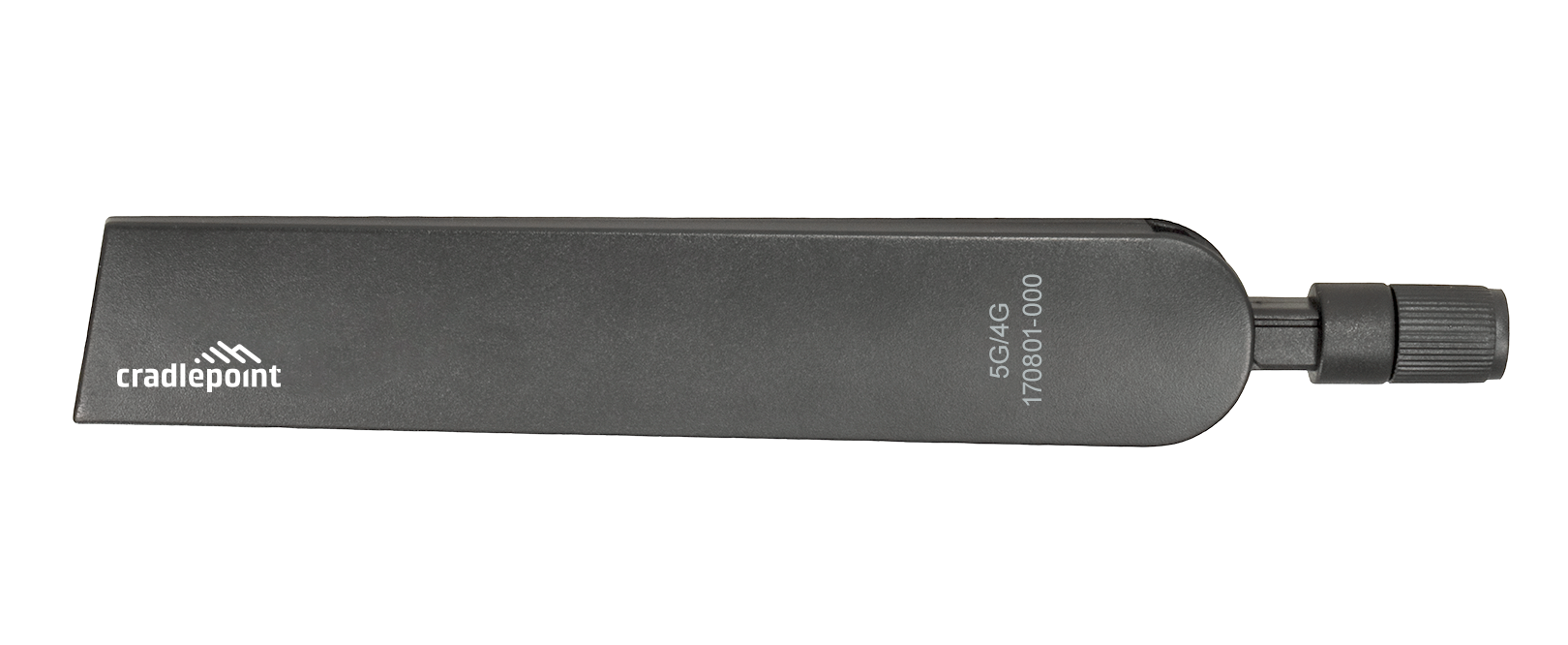
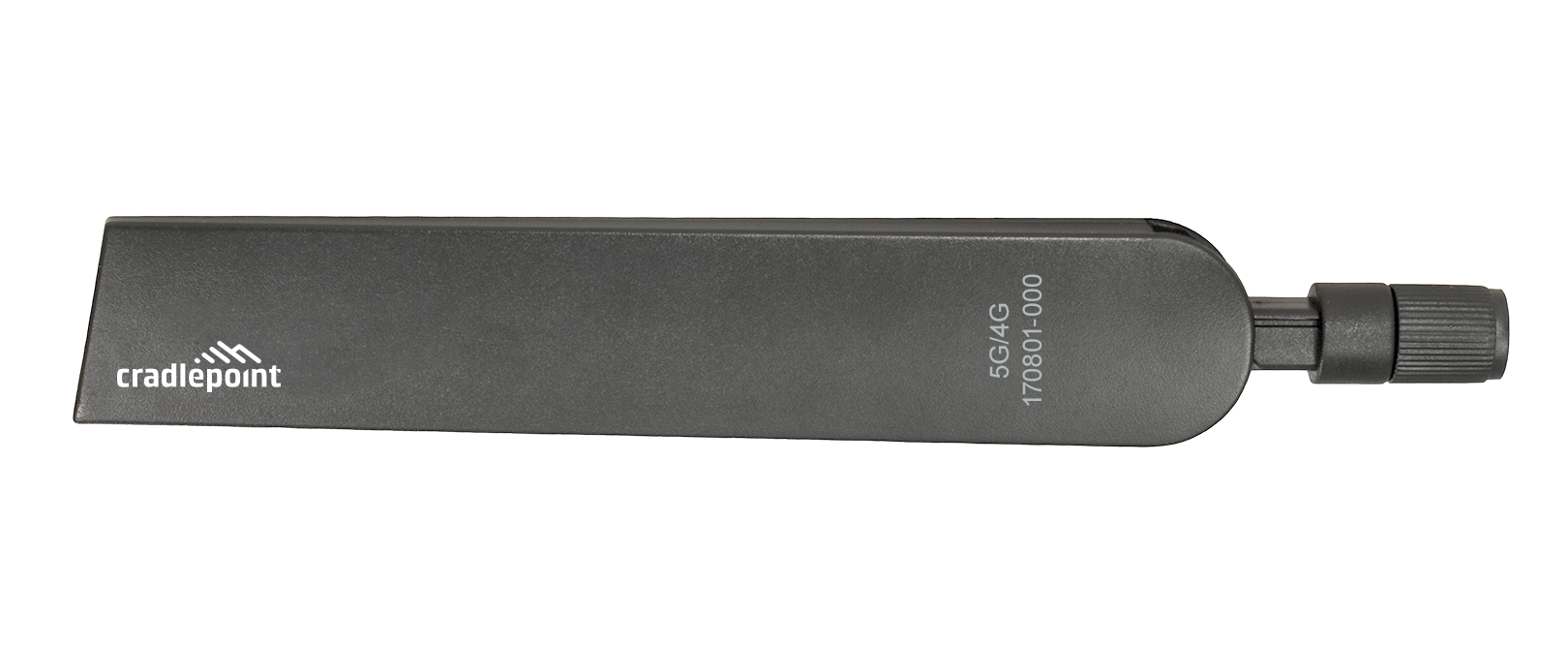
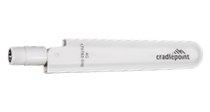
Cradlepoint TAA-170801-000 Charcoal Cellular Antenna, 600 MHz – 6 GHz, SMA, 180 mm
$16.46$17.99
In stock

5G & LTE Routers
Cellular routers and firewalls for offices, vehicles and industrial sites.
In stockFree 2-day shipping
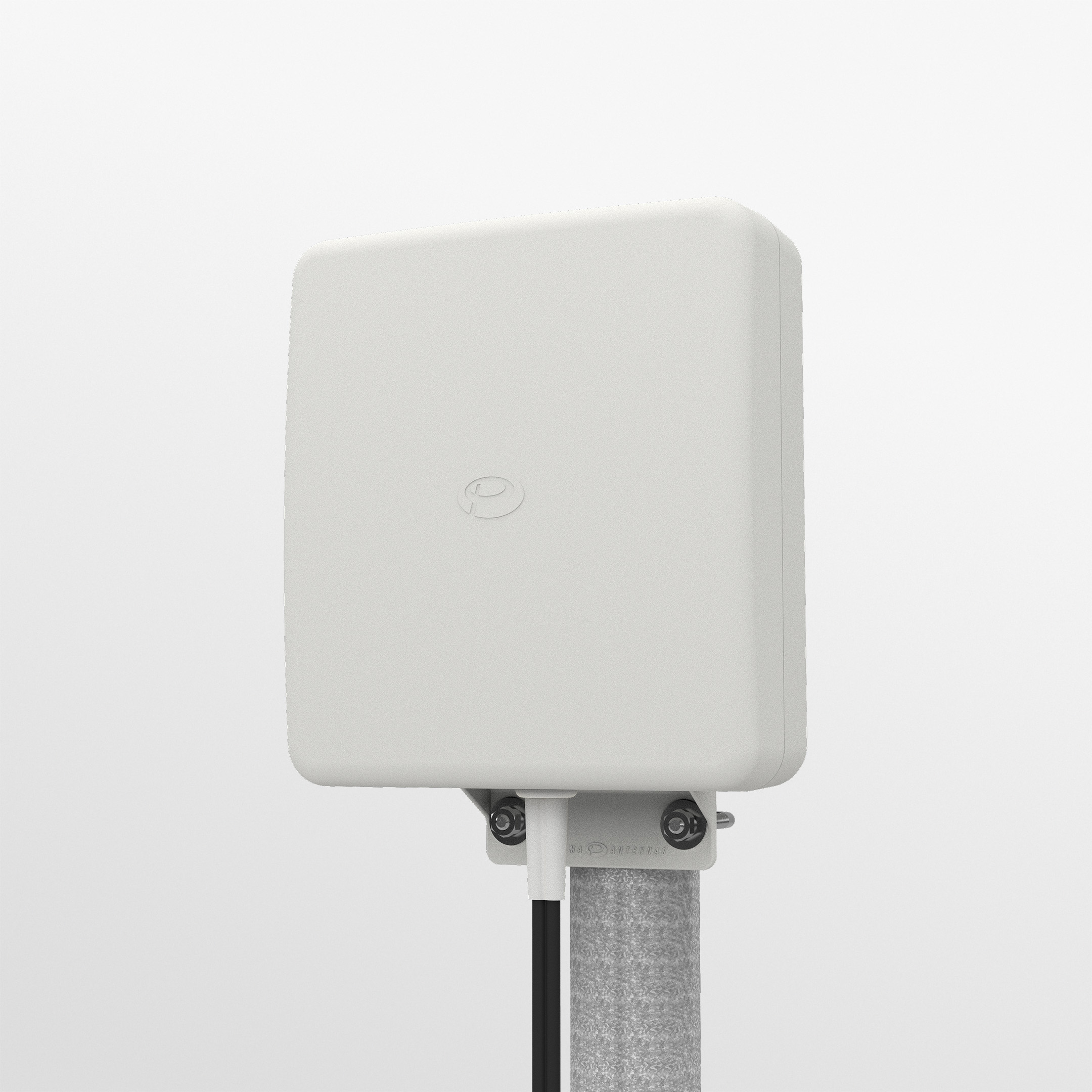
The Panorama WMM8G-7-38-5SP is a 2x2 MIMO directional panel antenna that connects straight to 4G/5G LTE routers with SMA ports. It covers 698-960 MHz at 6 dBi and 1710-2170, 2396-2700 and 3400-3800 MHz at 9 dBi. The antenna comes with 5 m of fitted low-loss, double-shielded twin cable ending in SMA-male connectors, housed in a UV-stable IP65 enclosure with wall and mast brackets. It is built for rural and fringe-area broadband.
The Panorama WMM8G-7-38-5SP is a high-gain directional 2x2 MIMO antenna for 4G/5G LTE routers. Two separately fed wideband elements in one housing give the router client-side MIMO and diversity. Panorama recommends it for rural broadband and fringe network areas where signal strength limits throughput.
The antenna delivers 6 dBi at 698-960 MHz and 9 dBi at 1710-2170 MHz, 2396-2700 MHz and 3400-3800 MHz, supporting 2G/3G/4G/5G LTE. It upgrades Panorama's WMM8G-7-27-5SP by adding the 3.4-3.8 GHz bands. Point the directional pattern at the serving tower to concentrate gain on the link you use.
This variant is ready to install. It ships with 5 m of fitted low-loss, double-shielded twin cable terminated in SMA-male connectors, the common fit for router antenna ports. Fitted cable minimizes exposed connector joints and simplifies cable management between an outdoor mounting point and an indoor router.
The rugged, UV-stable, IP65-rated housing measures 230 x 180 x 98 mm, handles up to 20 W input power, and operates from -45°C to +80°C. Wall and mast mounting brackets are provided, and desk mounting is also supported. Panorama publishes a datasheet and installation instructions (SW3-665) for this antenna.
Yes, for routers with SMA-female antenna ports. It is supplied with 5 m of fitted low-loss cable ending in SMA-male connectors.
It provides 6 dBi at 698-960 MHz and 9 dBi at 1710-2170 MHz, 2396-2700 MHz and 3400-3800 MHz.
It is a 2x2 MIMO antenna with two separately fed elements, so it connects to two cellular antenna ports.
It supports wall, mast and desk mounting, and wall and mast brackets are provided.
Cradlepoint
Cradlepoint
Cradlepoint
Cradlepoint